Transforming Urban Maintenance in Florianópolis with Zeladoria Digital
Decentralizing public maintenance and empowering 600 leaders with a 103% income boost.
Role
UX/UI Designer
Industry
Civic Tech
Duration
3 months
A technical solution needed
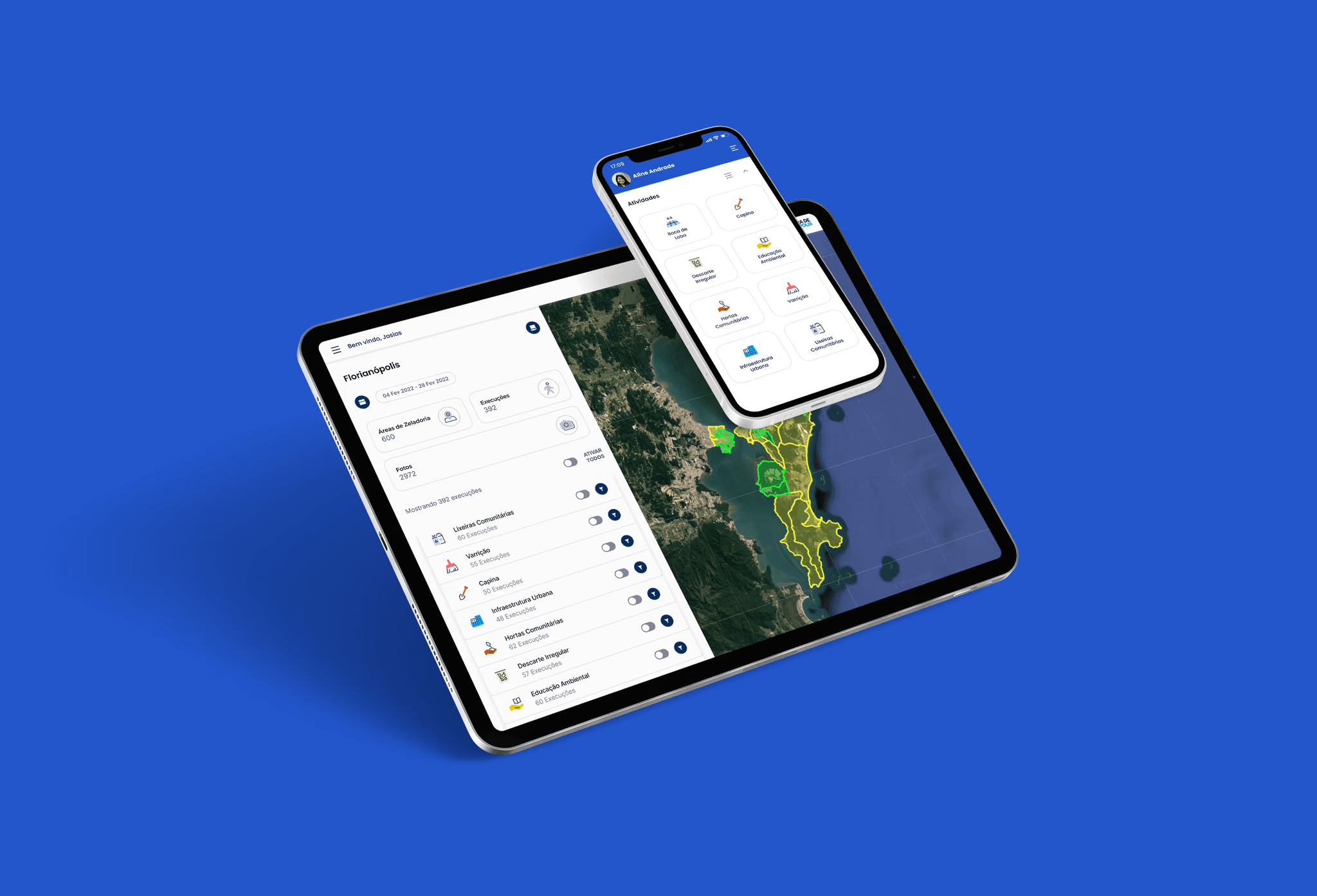
The city hall of Florianópolis, a city in southern Brazil, faced the challenge of decentralizing its public maintenance services, especially in peripheral areas where such services were unevenly distributed. This inequality fostered a perception of neglect in surrounding communities. To address this, the city needed a technological solution that would empower local residents to perform tasks such as sweeping, weeding, unclogging storm drains, organizing community trash bins, and reporting illegal waste disposal. To ensure proper documentation and enable payment, the solution required geolocated photo records with date and time stamps, as well as photo-tagging through a mobile application. These records were then consolidated into reports within a desktop application, allowing city hall inspectors to evaluate task execution efficiently.
Challenges
Challenge 1: Defining 600 Maintenance Areas
The city hall established that the project would involve 600 caretakers, each responsible for maintaining a specific area. Our first challenge was the “polygonization” of the city into 600 distinct maintenance areas.Challenge 2: Task Evaluation and Payment Workflow
To streamline task approval and payments, environmental sanitation engineers were hired to pre-assess compliant and non-compliant activities. Ensuring the evaluation system was intuitive and easy to use was essential to facilitate smooth payment processes for the city hall.
Ideation: Defining and diving 600 maintenance areas
Mapping with ArcGis:The Geographic Information Systems (GIS) team mapped
maintenance areas using ArcGIS. Per municipal guidelines, local leaders were required to cover a 3 km perimeter, which guided the construction of the polygons.Map Visualization design decisions: Areas with local leaders featured a round badge with a human figure icon. Area names followed the pattern:
"FLO-AreaNumber"Color coding for performance: A color system was implemented in an attempt to help environmental monitors and municipal inspectors track areas that needed improvement. Red was chose for poor average ratings, yellow for good ratings and green for excellent ratings.
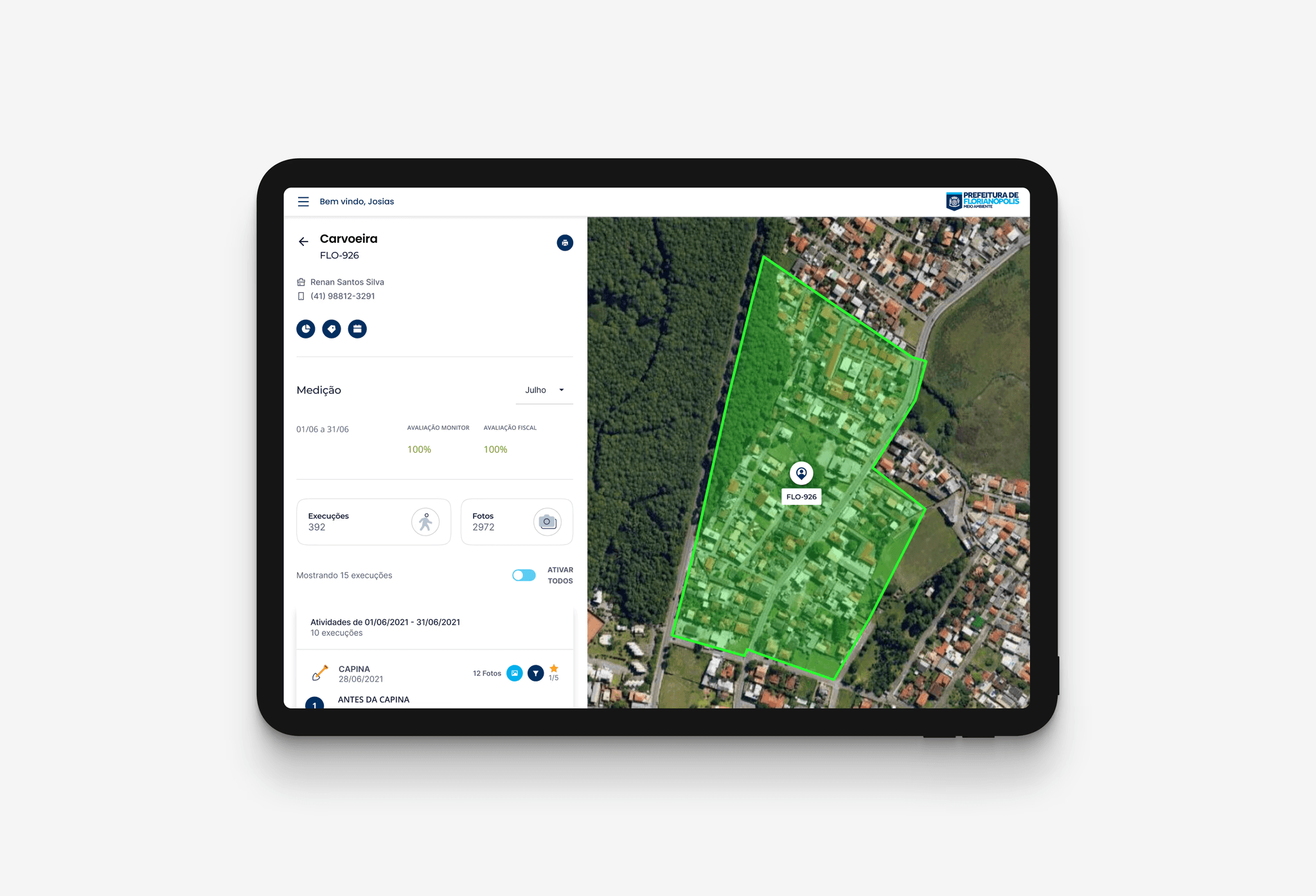
Web system navigation structure: The web system navigation was divided in three levels. Level 1: Showed an overview of the city and its neighborhoods. Level 2: Detailed view of a specific neighborhood, showing all maintenance areas within it. Level 3: Focus on a specific maintenance area, displaying: the local leader in charge of the microarea.
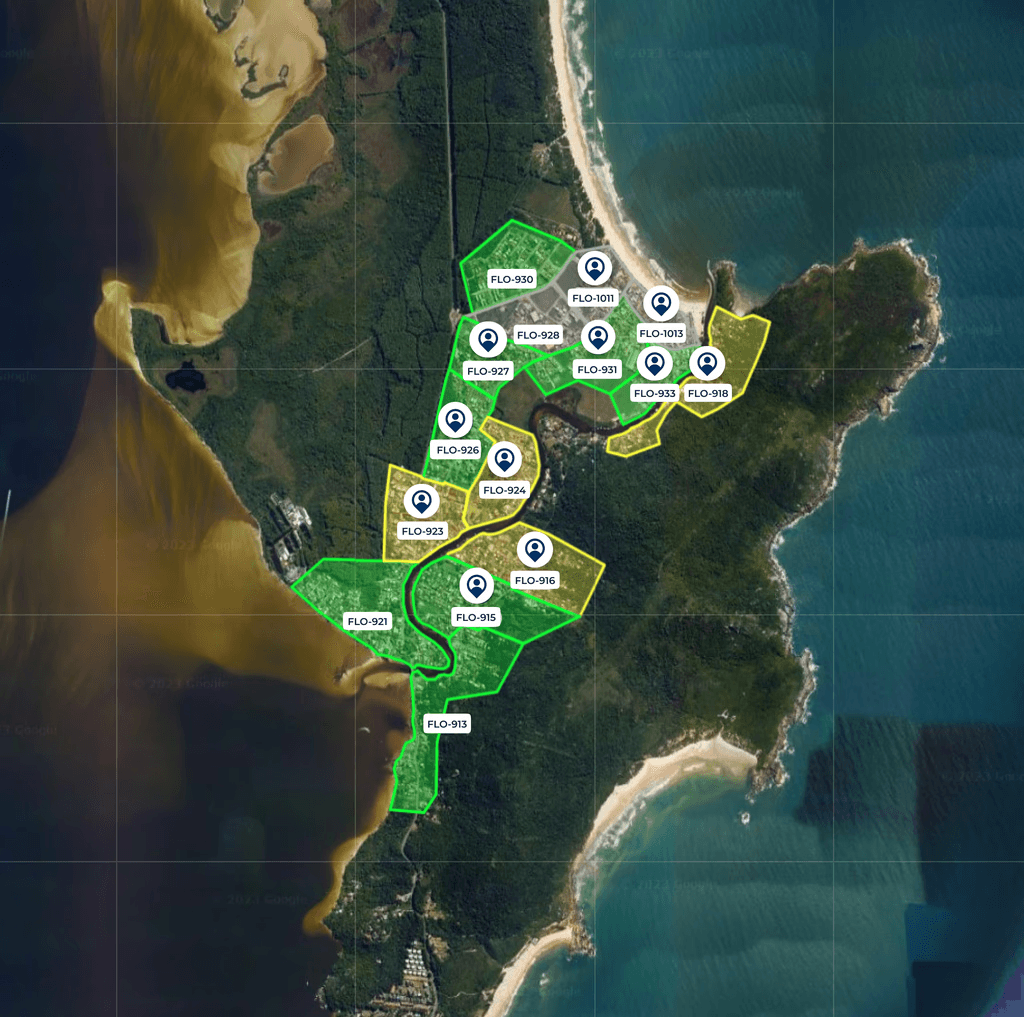
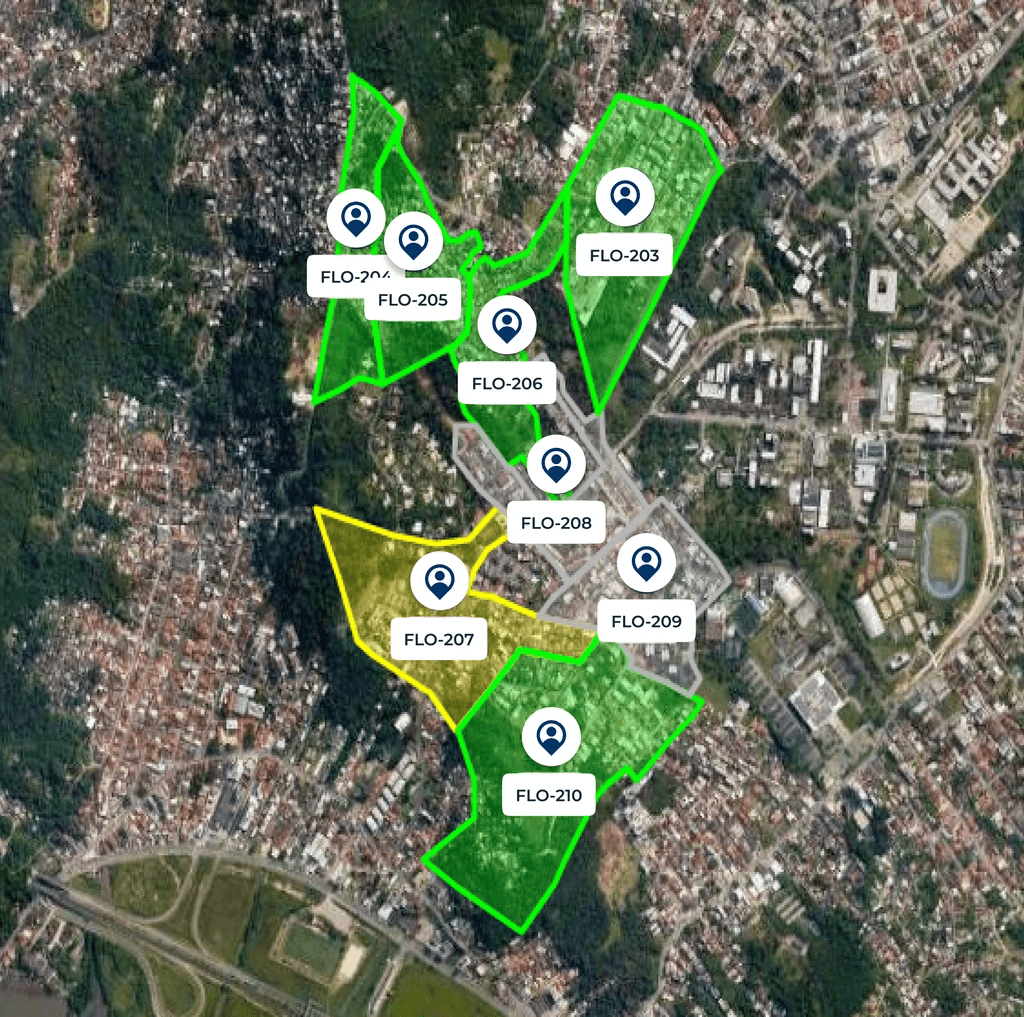
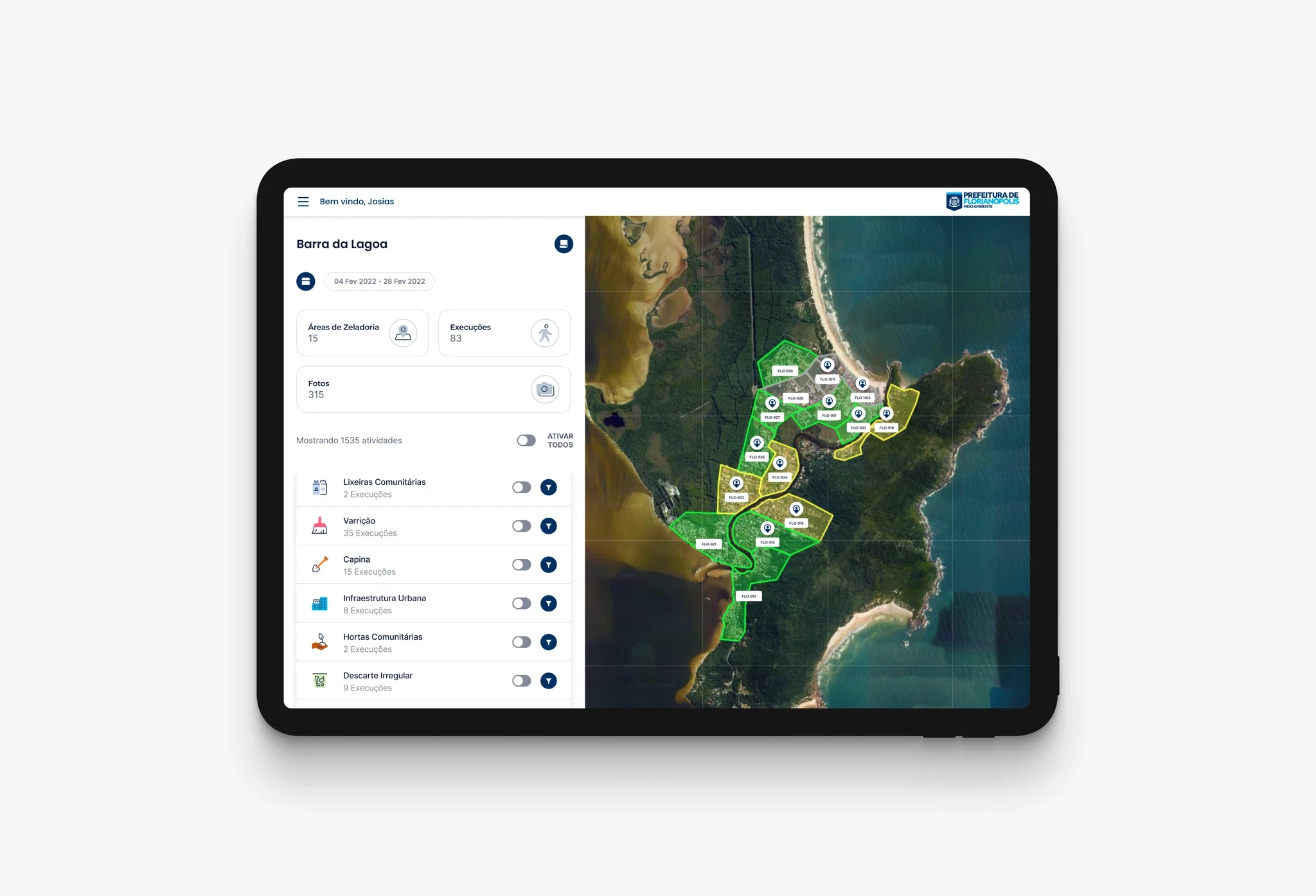
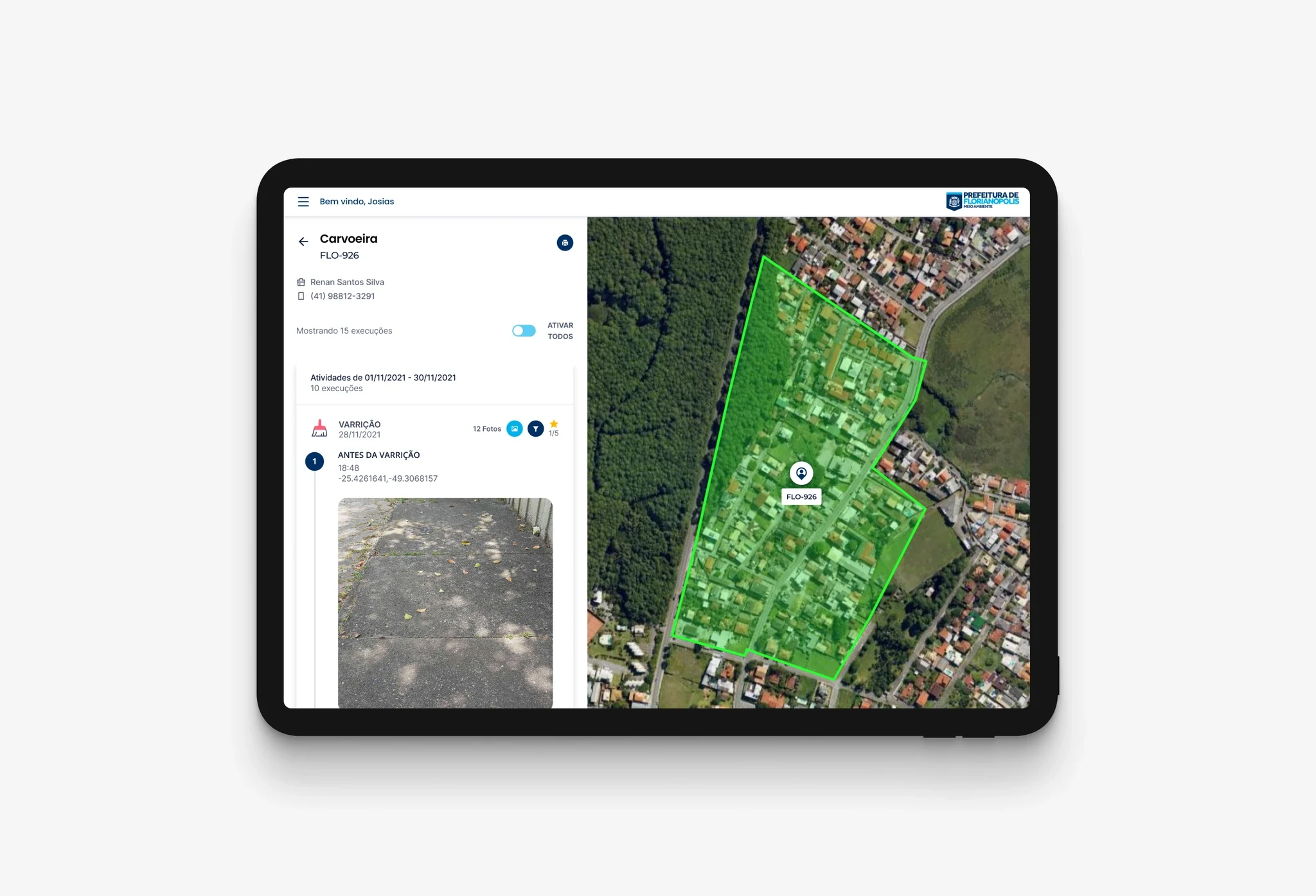
Each Florianopolis neighborhood had a certain amount of subareas which were called Áreas de Zeladoria. Each local leader was responsible for one Área de Zeladoria. In the pictures above you can see the AZs of Barra da Lagoa neighborhood (left) and Carvoeira neighborhood (right).
Below you can see the first map level where desktop users can see all the neighborhoods of Florianópolis.
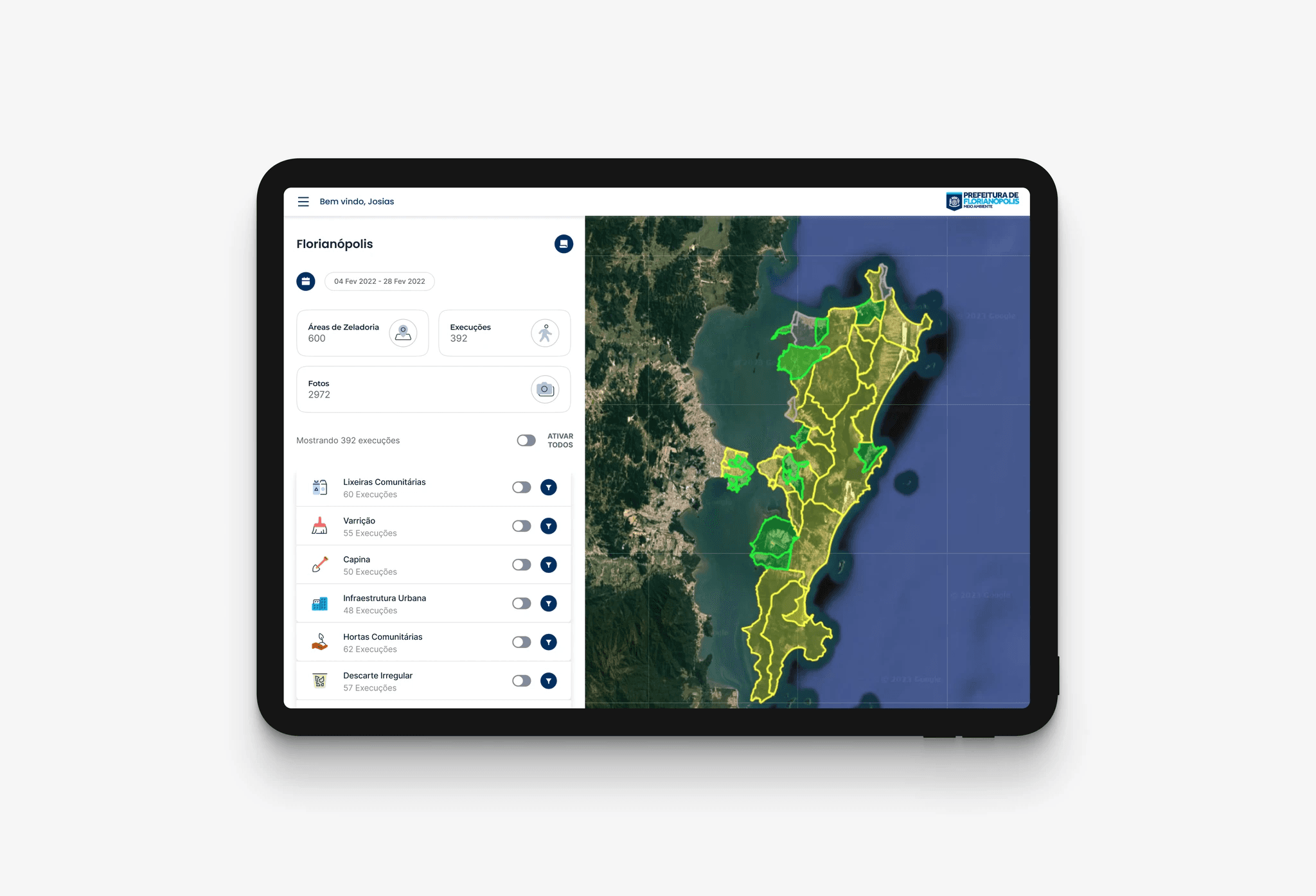
By clicking in a specific neighborhood you dive into the second map level where desktop users — environmental sanitation engineers and city hall auditors — can see all the maintenance areas of a particular neighborhood and also which and how many tasks were done on them.
Then if you click in a specific area you finally reach the last map level where desktop users — environmental sanitation engineers and city hall auditors — can see which tasks were done in a specific period of time at the respective maintenance area.
Evaluation System
Initial approach (later abandoned):
Services were executed in weekly cycles (Wednesday to Tuesday)
Each cycle was evaluated both by Florianópolis municipality auditors and our environmental sanitation engineers
Evaluation criteria:
0.0 – Service not performed
0.25 – Unsatisfactory service
0.5 – Partially completed service
0.75 – Incomplete service
1.00 – Fully completed service
Why this approach was abandoned:
Required multiple evaluations, making the process complex
Did not follow the Monday-to-Friday workweek, causing confusion
Final solution:
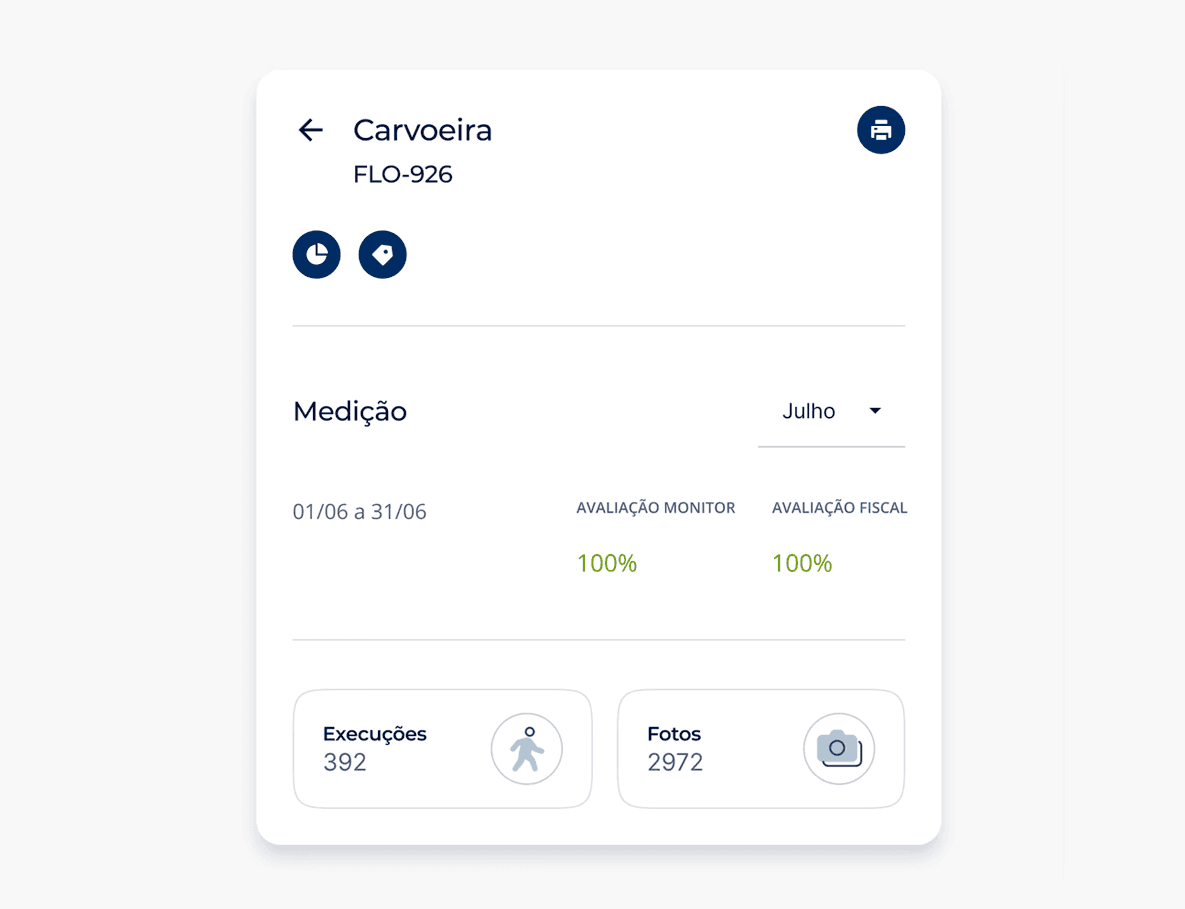
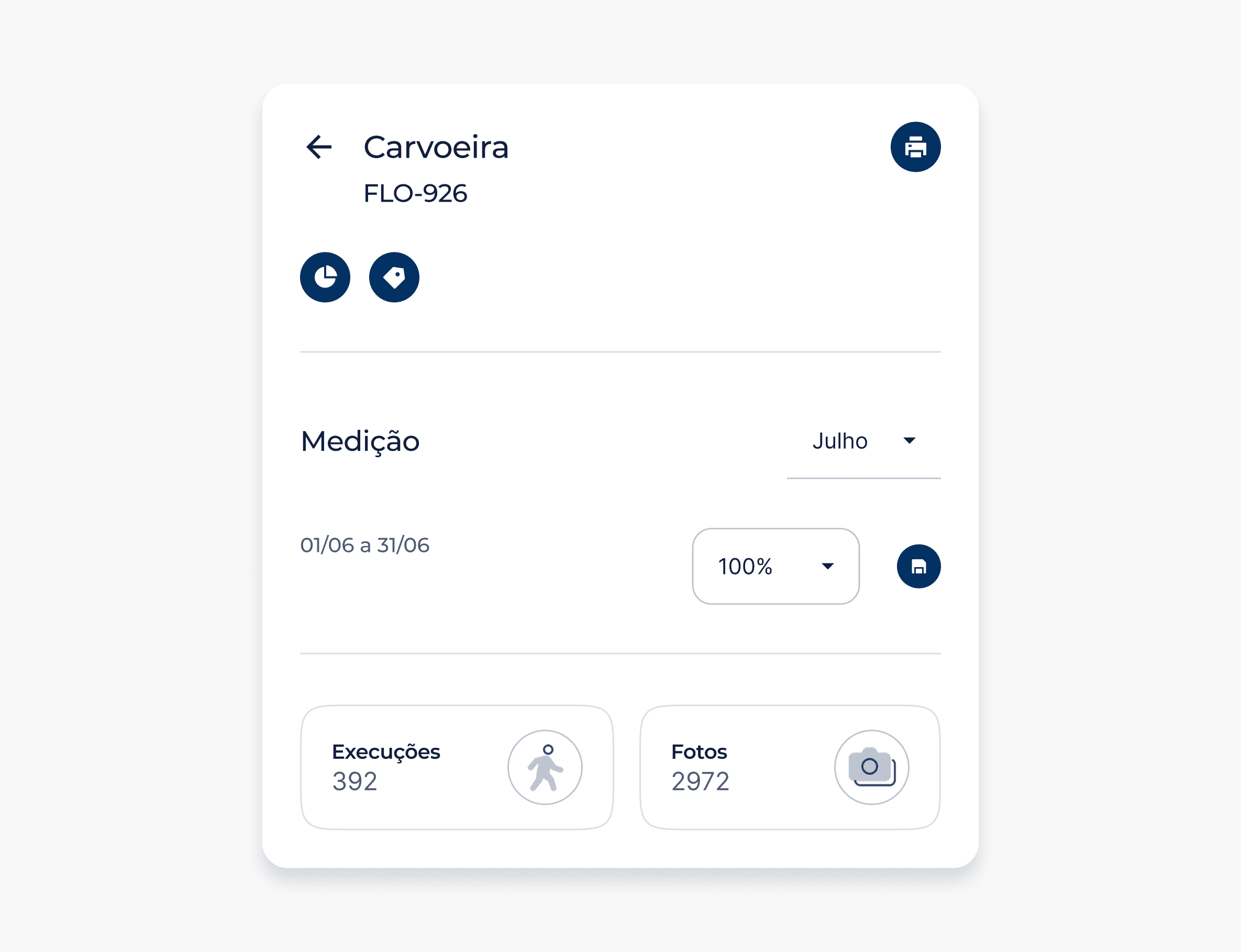
Switched to a single monthly cycle (start to end of the month)
Simplified the evaluation process
Impact
Provided a second chance at employment for those with limited traditional opportunities.
Gave participants a renewed sense of purpose and recognition.
Enabled them to see the direct impact of their work on the environment and the well-being of their communities.
Strengthened connections between neighbors.
Encouraged collective efforts to build a cleaner, more engaged, and supportive community.
Outcomes
Enhanced environmental impact
Using Zeladoria Digital, local leaders covered 7.993 kilometers of sweeping services and 939 kilometers of weeding in just one year. These efforts have directly contributed to cleaner streets, improved public health, and a more sustainable environment in the city.
Increased income
Leveraging Zeladoria Digital, participants of the project saw their monthly income increase by an average of 103.23% within a year. This significant boost highlights the program's effectiveness in improving the livelihoods of participants.
Other projects
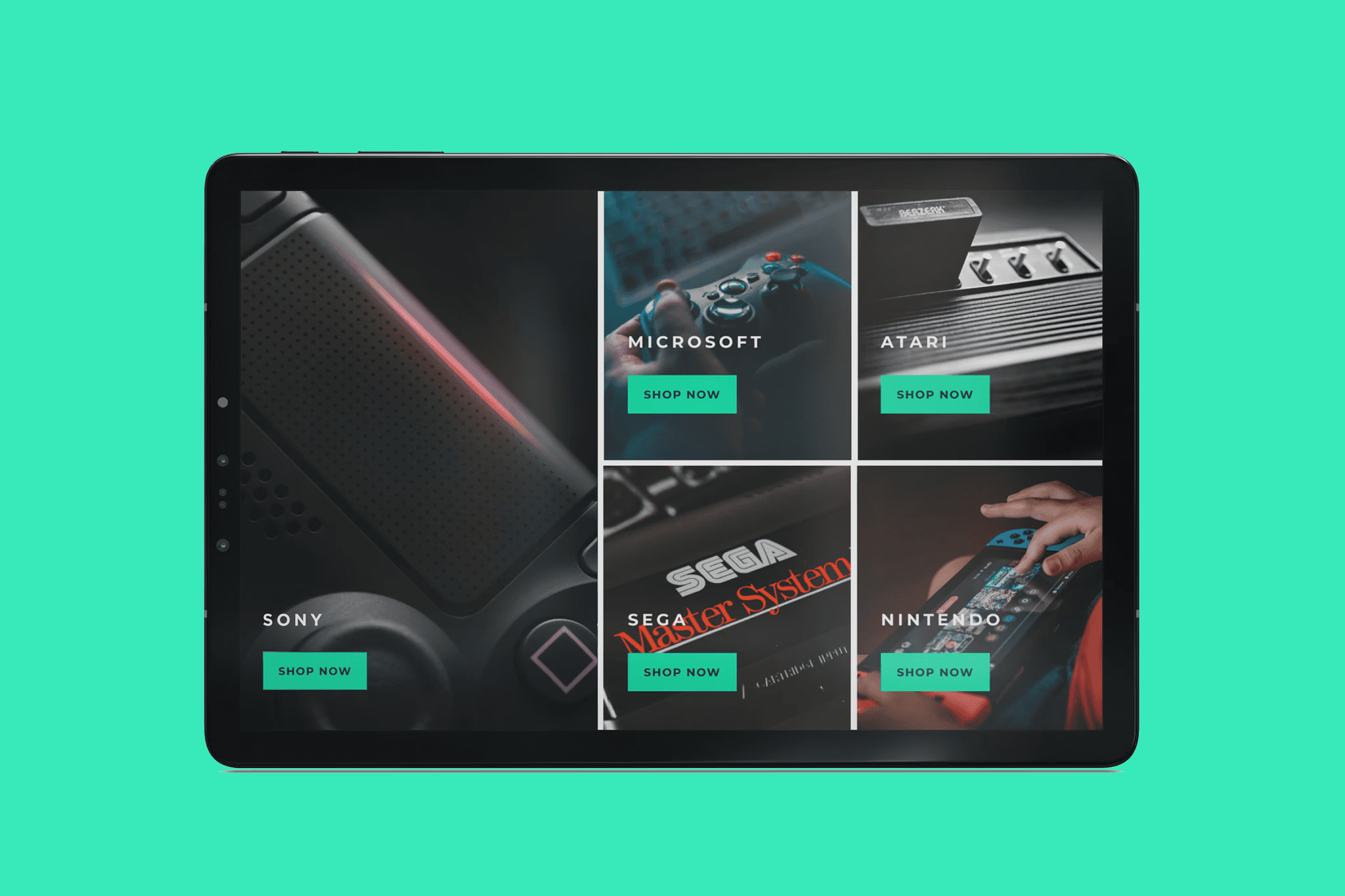
Designing a Seamless Shopping Experience for Playcadia
Improving a gaming store's navigation and transparency to boost conversions by 40%.
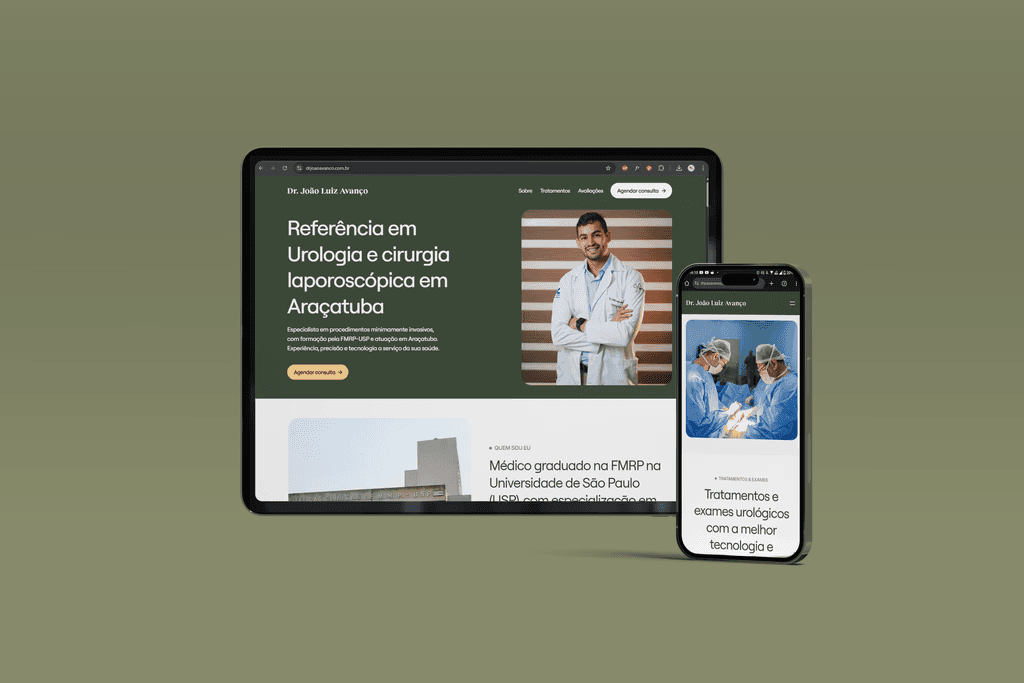
UI Design Meets Healthcare: One-Page Site for dr. João Avanço
Translating a full brand system into a responsive Framer one-pager, designed and published in only 3 days.